



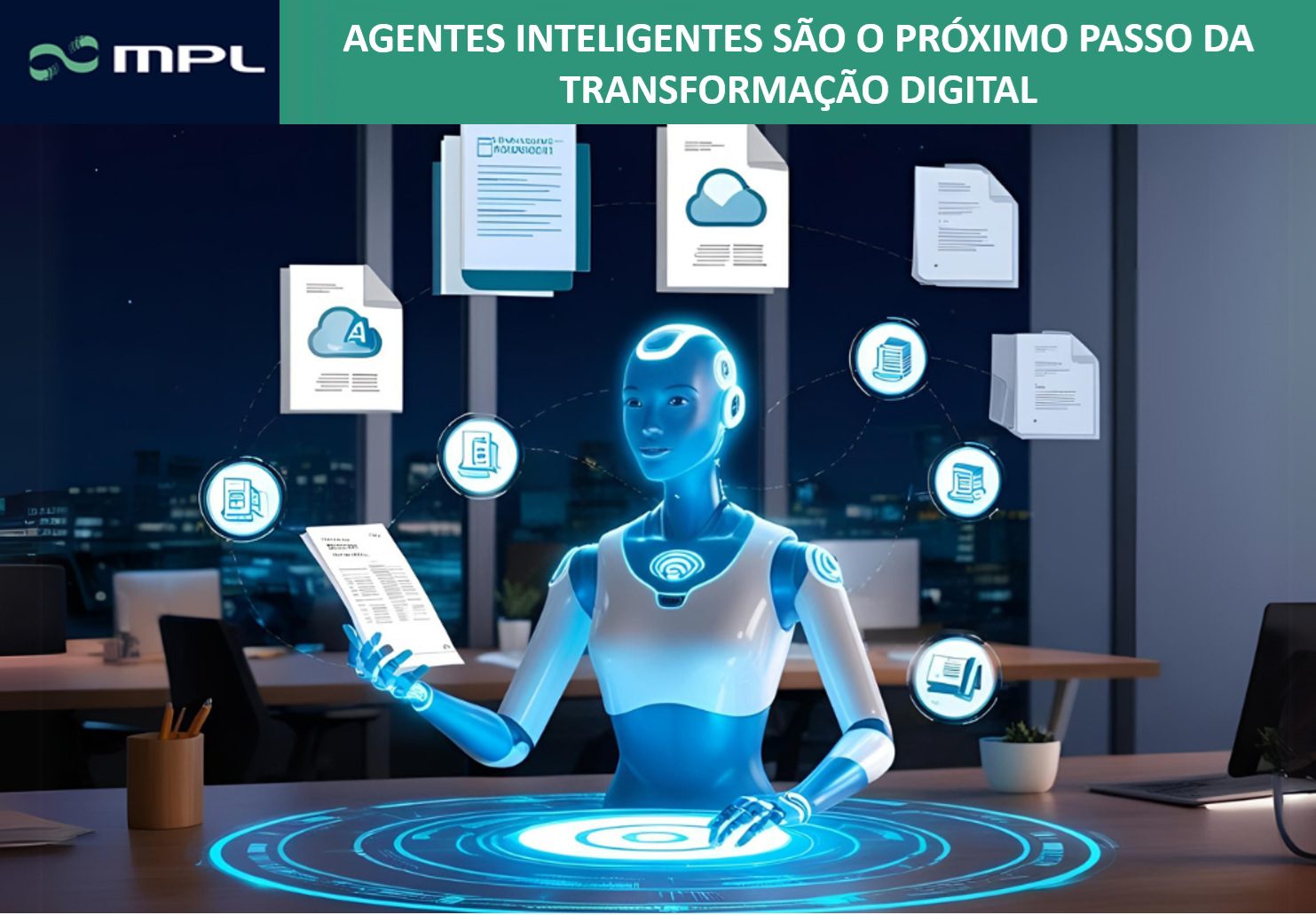
09 May The new role of knowledge in companies: from static repository to intelligent agent
For a long time, the knowledge The corporate world has been stuck in manuals, PDF files and shared directories that were rarely consulted. Although many organizations invest time and resources in documenting procedures, policies and solutions techniques, few manage to turn this content into something lively, accessible and really useful in everyday life.
But that's changing.
With the advances in Artificial intelligence and language models, companies can now turn their technical, normative or operational documents into knowledge. Tools that not only store, but interact, answer questions, interpret and guide decisions.
Going up is easy. Activating is strategic.
Today, it's not enough to have a base with security for engineering, technical manuals for agricultural machinery or internal HR, legal and commercial policies. The challenge is to enable any employee, from any area, to consult and apply these knowledge in seconds.
That's where the intelligent agents.
These agents are trained with the company's internal content: technical catalogs, contracts, manuals, regulatory guides and even architectural plans. When they are integrated into corporate chatbotsThis way, they can answer questions, guide processes and support decisions based on the organization's own documents.
Some examples of agents that are already in operation in companies from different sectors:
- Technical agent for product engineering: answers questions about material specifications, performance standards, welding standards or laboratory tests;
- Agent for agricultural machinery: assists field technicians with operating, maintenance and calibration instructions, directly from their cell phones;
- Normative architecture agent: interprets urban planning legislation, building codes and environmental requirements on a public and internal basis;
- Legal compliance officer: answers questions about contractual clauses, legal responsibilities and the conduct required in certain situations;
- HR policy officer: advises employees on benefits, vacations, reimbursements and mandatory training, integrated with the internal channel;
- Customer service agent: accesses the knowledge of the company to support SAC, salespeople and representatives with consistent and up-to-date information.
In practice, it's like having an in-house expert available 24/7without relying on complex searches or the availability of another collaborator.
A change of mentality
This new model solves an old problem: the distance between the knowledge produced and the knowledge applied.
Turning documents into response agents means making organizational knowledge more accessible, up-to-date and, above all, practical.
In addition, it allows communication more fluid with the end customer, by connecting these same agents to service channels, increasing user autonomy and reducing team overload.
It's not just about automation.
It's about transferring organizational intelligence into operational flows.
MPL's role in this scenario
MPL, a national reference in solutions management and technological innovation, has expanded its operations with a focus on intelligent automation and generative AI applied to documents.
With the unit MPL INOVA, the company helps organizations from different sectors: engineering, architecture, agribusiness, legal and HR to create agents for knowledge connecting internal documents to corporate chatbots and operating systems.
The result is a knowledge that not only exists, but acts.
For companies that want to turn information into action, and data into strategic support, intelligent agents are the natural next step for the digital transformation.
Sorry, the comment form is closed at this time.